Habib Bourguiba
Tunisian independence leader and first president.

via Wikipedia: Habib Bourguiba · see source
Habib Bourguiba (3 August 1903 – 6 April 2000) was a Tunisian politician and statesman who served as the prime minister of the Kingdom of Tunisia from 1956 to 1957, and then as the first president of Tunisia from 1957 to 1987. Prior to his presidency, he led the nation to independence from France, ending the 75-year-old protectorate and earning the title of "Supreme Combatant". He was born in Monastir to a poor family, attended Sadiki College and Lycée Carnot in Tunis, and graduated from the University of Paris and the Paris Institute of Political Studies in 1927.
- born
- 3 August 1903 (possibly 1902 or 1901)
- died
- 6 April 2000
- field
- Politics
- nationality
- Tunisian
- known_for
- First president of Tunisia, leader of independence from France
Verified Timeline
Lore & Background
Bourguiba was born in Monastir, the eighth child and final son of Ali Bourguiba and Fatouma Khefacha. His official birthdate is 3 August 1903, though he stated he was likely born a year earlier, on 3 August 1902, or possibly 1901. His father, who was 53 years old, wondered whether he could raise him properly. Despite financial hardship, Ali Bourguiba gave great importance to the education of his children. Bourguiba started elementary education in Monastir, then his father sent him to Tunis in September 1907, when he was 5, to pursue his studies at the Sadiki primary school. He earned his certificat d'études primaires in 1913. His mother died in November 1913, when he was 10 years old. After a period of illness, he spent nearly two years living with his older brother Mohamed in Kef from January 1920, a major turning point. He then enrolled in Lycée Carnot of Tunis, in classe de seconde, and obtained his baccalaureate in 1924. He graduated from the University of Paris and the Paris Institute of Political Studies (Sciences Po) in 1927 and returned to Tunis to practice law. In the early 1930s, he became involved in anti-colonial and Tunisian national politics, joining the Destour party and co-founding the Neo Destour in 1934. His involvement in the riots of 9 April 1938 resulted in his exile to Marseille during World War II.
Reader's Guide
Bourguiba's significance lies in his central role in Tunisia's independence from France and his subsequent three-decade rule as president. After independence in 1956, he was appointed prime minister by king Muhammad VIII al-Amin and acted as de facto ruler before proclaiming the Republic on 25 July 1957. He was elected interim President of Tunisia by Parliament until the ratification of the Constitution. During his rule, he implemented a strong education system, worked on developing the economy, supported gender equality, and proclaimed a neutral foreign policy, making him an exception among Arab leaders. The main reform was the Code of Personal Status, which implemented a modern society. He established a strong presidential system which turned into a twenty-year one-party state dominated by his own party, the Socialist Destourian Party. A cult of personality also developed around him, before he proclaimed himself president for life in 1975, during his fourth 5-year term. The end of his 30-year rule was marked by his declining health, a war of succession, and the rise of clientelism and Islamism. On 7 November 1987, he was removed from power by his prime minister, Zine El Abidine Ben Ali, and kept under house arrest in a residence in Monastir. He remained there until his death and was buried in a mausoleum he had previously built.
Did You Know?
- Bourguiba's official birthdate is 3 August 1903, but he stated he was likely born a year earlier, on 3 August 1902, or possibly 1901.
- His mother gave birth to him when she was 40, which, according to Bourguiba, was a source of great shame for her.
- He earned his certificat d'études primaires in 1913, which dispensed him from military service.
- Bourguiba spent nearly two years living with his older brother Mohamed in Kef from January 1920, a period he called a major turning point in his life.
- He proclaimed himself president for life in 1975, during his fourth 5-year term.
Gallery
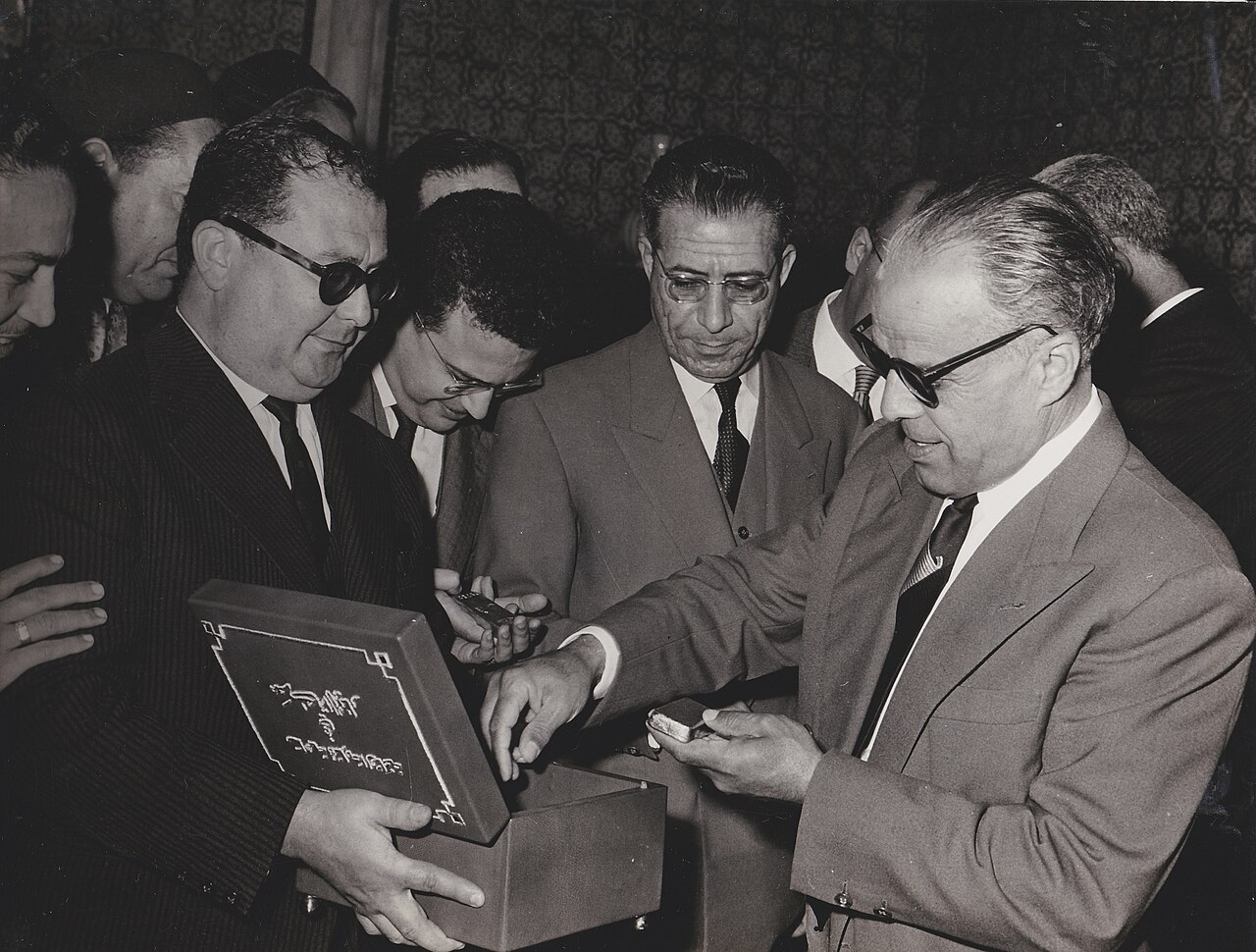
Frequently Asked Questions
Who is Habib Bourguiba?
He was a Tunisian statesman who served as the country's first president and is most widely recognized as the driving force behind Tunisia's independence from French colonial rule.
What was Habib Bourguiba's main achievement?
He led Tunisia to full independence from France, ending a protectorate that had lasted roughly 75 years, and was granted the honorific title of 'Supreme Combatant' for that struggle.
How long did Habib Bourguiba hold power in Tunisia?
He became prime minister in 1956, transitioned into the presidency in 1957, and remained in that role until his removal in 1987.
How did Habib Bourguiba's time in office end?
He was deposed in a political coup in 1987, losing the presidency after nearly three decades of continuous rule.
Why is Habib Bourguiba considered important in African history?
As one of the earliest post-colonial leaders in North Africa, he shaped Tunisia's modern political structure by establishing a strong presidential system and a one-party state that defined the country's governance for decades.
More in African Leaders 1-18
Spotted an error? Know more?
This is a living reference — every entry is fact-audited, and reader corrections feed straight into our audit queue. Suggest an edit · See this site's audit record