Filipe Nyusi
Mozambican president who signed peace deals amid fraud allegations.

via Wikipedia: Filipe Nyusi · see source
Filipe Jacinto Nyusi (born 9 February 1959) is a Mozambican politician who served as the president of Mozambique from 2015 to 2025. He also served as Chairman of the Southern African Development Community from 2020 to 2022. During his presidency, he signed multiple agreements with the main opposition party RENAMO. His time in office was marked by a reversal of poverty reduction trends, an increase in the number of multidimensionally poor people from about 21.3 to about 22.2 million from 2015 to 2018, and at least 10 high-profile killings of opposition leaders, journalists, and academics since March 2015. The 2019 election was characterized by instances of fraud, intimidation, and murders of opposition leaders and election observers, according to the European Union Election Observation Mission, Commonwealth Observer Group, and the U.S. Embassy in Mozambique.
- born
- 9 February 1959
- nationality
- Mozambican
- known_for
- President of Mozambique (2015–2025), Chairman of SADC (2020–2022)
Verified Timeline
Lore & Background
Nyusi was born in Namau in Mueda District, Cabo Delgado Province, to parents who were veterans of the FRELIMO liberation movement. At the start of the Mozambican War of Independence, he was taken across the Ruvuma River to Tanzania, where he was educated at FRELIMO Primary School in Tunduru. He completed his secondary education at the FRELIMO school at Mariri in Cabo Delgado and Samora Machel Secondary School in Beira. In 1973, aged 14, he joined FRELIMO and received political and military training at Nachingwea in Tanzania. In 1990, he completed his mechanical engineering degree at Antonín Zápotocký Military Academy (VAAZ) in Brno, Czechoslovakia. Before his cabinet appointment, he worked for the state-owned Mozambique Ports and Railways Authority (CFM), becoming executive director of CFM-Norte in 1995, and joined the company's board of directors in 2007. From 1993 to 2002, he served as President of Clube Ferroviário de Nampula, a top-division football club. Nyusi took office as Minister of Defence on 27 March 2008, succeeding Tobias Joaquim Dai. His appointment came almost exactly one year after a fire at the Malhazine armory in Maputo killed more than 100 people and destroyed 14,000 homes; a government-appointed commission concluded negligence played a role, and Dai was blamed for failing to act. In September 2012, Nyusi was elected to the Central Committee of FRELIMO. On 1 March 2014, the FRELIMO Central Committee elected him as the party's candidate for the 2014 presidential election. He received 44% of the vote in the first round, defeating Luisa Diogo in the second round with 68% to her 31%. He won the 2014 and 2019 elections, though the 2019 election was marked by allegations of fraud, intimidation, and murders of opposition leaders and election observers. The President of the National Election Commission acknowledged irregularities, stating 'that is why when [the National Election Commission] announced the results, nobody heard [the National Election Commission] saying that the elections were free, fair and transparent.'
Reader's Guide
Filipe Nyusi's presidency (2015–2025) is significant for both its peace efforts and its controversies. After armed conflict re-emerged in 2013, Nyusi reopened dialogue with RENAMO's leadership in December 2016, traveling to Gorongosa to meet with the late Afonso Dhlakama—the first time a sitting president visited a RENAMO stronghold. These efforts culminated in the signing of the Maputo Accord for Peace and National Reconciliation in August 2019, witnessed by multiple heads of state and representatives. However, his tenure saw a reversal of poverty reduction trends: the number of multidimensionally poor people increased from about 21.3 to about 22.2 million from 2015 to 2018, with the extra million mainly in rural areas of central provinces. Since March 2015, at least 10 high-profile figures—including opposition leaders, journalists, and academics—have been killed, whereas no similarly defined leaders or academics were reported killed since the 1992 Peace Accord. Nyusi faced accusations of abuse of power: some 90,000 school desks publicly delivered by Nyusi in September 2018 were manufactured by a company 50% owned by his daughter. Court documents filed by Jean Boustani in the U.S. District Court for the Eastern District of New York in 2019 and by Iskandar Safa in The High Court of Justice in London in 2021 alleged that Nyusi received up to 2 million dollars in bribes in 2014 in connection with illegal loans ('hidden debts') that caused an economic crisis. The FRELIMO government has been described as authoritarian by The Economist Intelligence Unit, Monjane et al., and Manning et al. Wars escalated in central and northern regions during his time in office, including a war starting in 2017 in the resource-rich northern region.
Did You Know?
- Nyusi was taken across the Ruvuma River to Tanzania at the start of the Mozambican War of Independence and educated at FRELIMO Primary School in Tunduru.
- He completed his mechanical engineering degree at Antonín Zápotocký Military Academy (VAAZ) in Brno, Czechoslovakia, in 1990.
- From 1993 to 2002, Nyusi served as President of Clube Ferroviário de Nampula, a top-division football club.
- Nyusi traveled to Gorongosa to meet RENAMO leader Afonso Dhlakama in December 2016, the first time a sitting president visited a RENAMO stronghold.
- Court documents alleged that Nyusi received up to 2 million dollars in bribes in 2014 in connection with illegal loans that caused an economic crisis.
Roots in the Liberation Struggle
Filipe Jacinto Nyusi was born on 9 February 1959 in Namau, a village in Mueda District, Cabo Delgado Province, and belongs to the Makonde ethnic group. Both his parents were veterans of the FRELIMO liberation movement. At the start of the Mozambican War of Independence, he was taken across the Ruvuma River to Tanzania, where he attended FRELIMO Primary School in Tunduru. He then studied at the FRELIMO school in Mariri and at Samora Machel Secondary School in Beira. In 1973, at fourteen, he joined FRELIMO and received political and military training at Nachingwea, Tanzania. In 1990, he completed a mechanical engineering degree at the Antonín Zápotocký Military Academy in Brno, Czechoslovakia, now the Czech Republic's University of Defense. Before his cabinet appointment, Nyusi worked at the state-owned Mozambique Ports and Railways Authority, becoming executive director of CFM-Norte in 1995 and joining the board in 2007. He also served as president of Clube Ferroviário de Nampula, a top-division football club, from 1993 to 2002, and lectured at the Nampula campus of the Universidade Pedagógica.
The Road to the Presidency
Nyusi's ascent to the highest office began when President Armando Guebuza appointed him Minister of Defense on 27 March 2008, replacing Tobias Joaquim Dai. The timing carried weight: the appointment landed almost exactly one year after the Malhazine armory fire in Maputo, in which over 100 people were killed and 14,000 homes destroyed. A government commission attributed the disaster to negligence, and Dai was widely blamed for failing to act in time. In September 2012, Nyusi was elected to FRELIMO's Central Committee at the party's 10th congress. On 1 March 2014, the Central Committee chose him as the party's presidential candidate. In the first round he captured 44 percent of the vote, well ahead of second-place Luisa Diogo but short of an outright majority. He then defeated Diogo in the runoff with 68 percent to her 31 percent. Though regarded as relatively obscure among the candidates, Nyusi was most closely identified with Guebuza, and many believed his selection allowed the outgoing president to retain substantial influence despite term limits. Diogo, by contrast, had been associated with internal opposition to Guebuza within the party.
Controversies and Allegations
Nyusi's presidency has been shadowed by serious accusations of corruption and misconduct. Court documents filed by Jean Boustani in the U.S. District Court for the Eastern District of New York in 2019, and later by Iskandar Safa in the High Court of Justice in London in 2021, alleged that Nyusi received up to two million dollars in bribes in 2014 connected to illegal loans—commonly called hidden debts—that triggered a severe economic crisis in Mozambique. In September 2018, Nyusi publicly delivered 90,000 school desks manufactured by a company in which his daughter held a 50 percent stake, drawing accusations of abuse of power. The security environment during his tenure was equally disturbing. Since March 2015, at least ten high-profile individuals, including opposition party leaders, journalists, and academics, were killed in Mozambique. This represented a stark break from the period following the 1992 Peace Accord between RENAMO and FRELIMO, during which no similarly defined high-profile opposition or academic figures had been reported killed.
Governance, Conflict, and Legacy
The years from 2015 to 2025 under Nyusi's leadership were marked by significant economic and security setbacks. Poverty reduction trends that had been positive between 2009 and 2015 reversed; the number of multidimensionally poor Mozambicans rose from roughly 21.3 million to about 22.2 million between 2015 and 2018, with the additional million concentrated mainly in rural areas of the central provinces. Simultaneously, armed conflict in Mozambique's central and northern regions escalated, straining the government's ability to maintain stability. The FRELIMO government under Nyusi has been described as authoritarian by The Economist Intelligence Unit and by researchers including Monjane et al. and Manning et al. Despite these challenges, Nyusi signed multiple agreements with RENAMO, the main opposition party, during his time in office. He also served as Chairman of the Southern African Development Community from 2020 to 2022. The 2019 election, which he won in a landslide, was branded a mega fraud by the opposition. The European Union, the Commonwealth Observer Group, and the U.S. Embassy all cited instances of fraud, intimidation, and violence against opposition leaders and observers.
Gallery
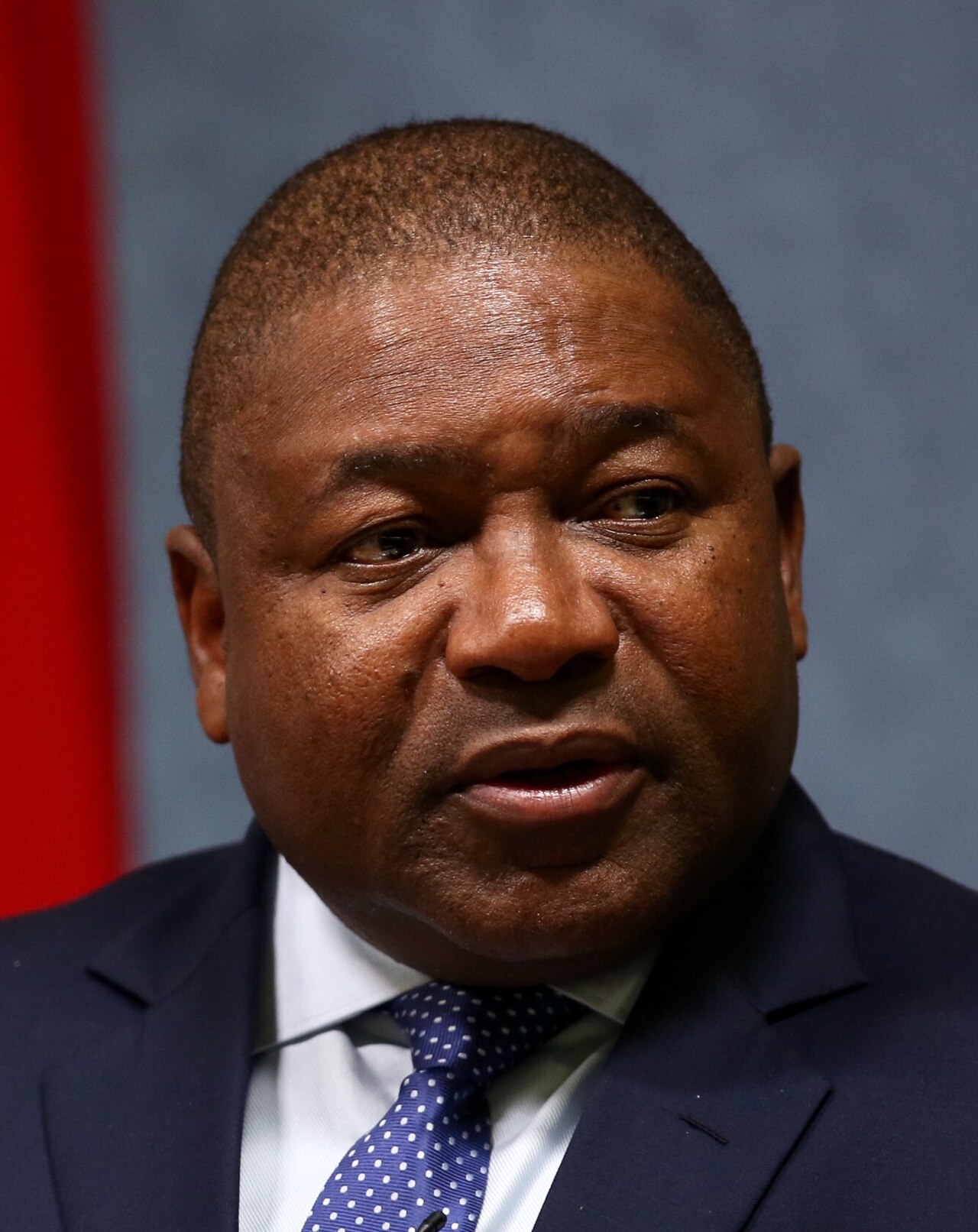
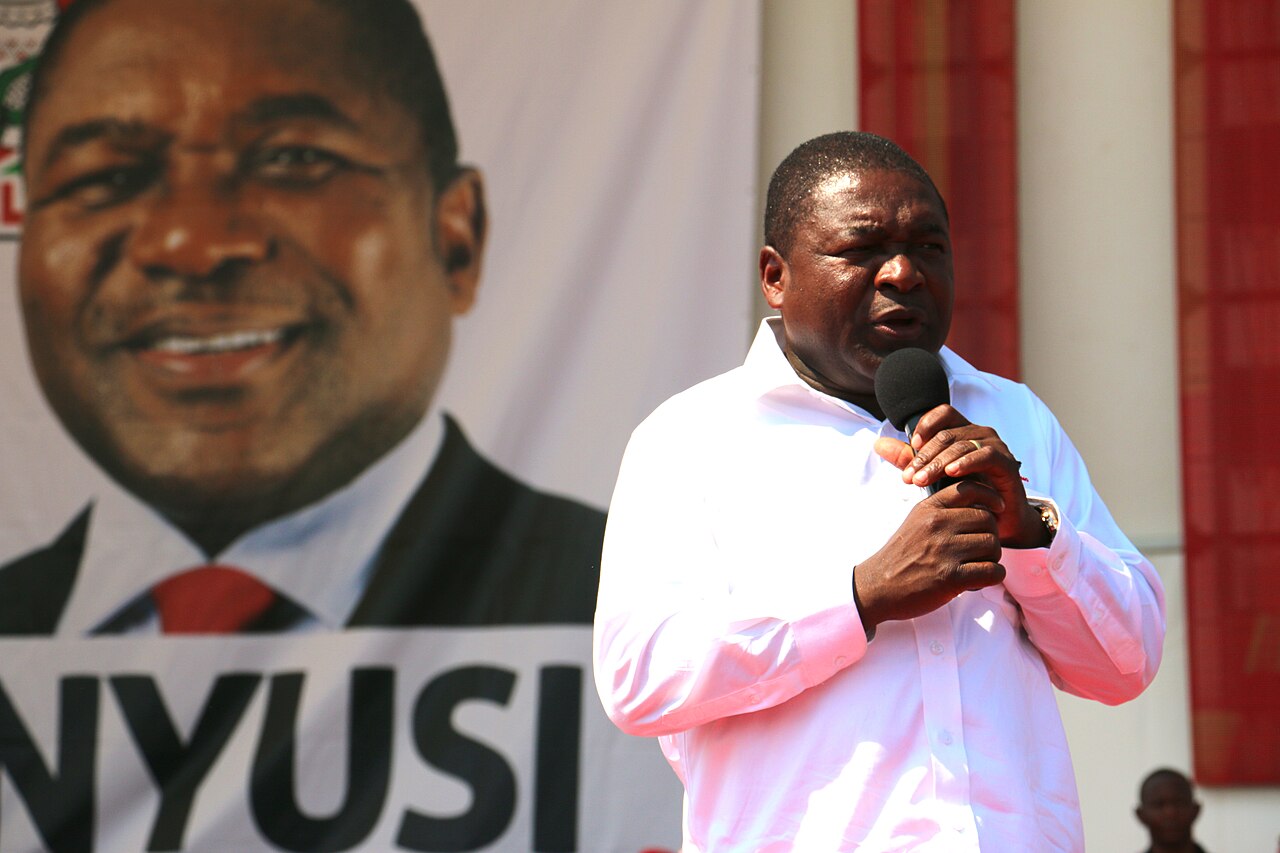
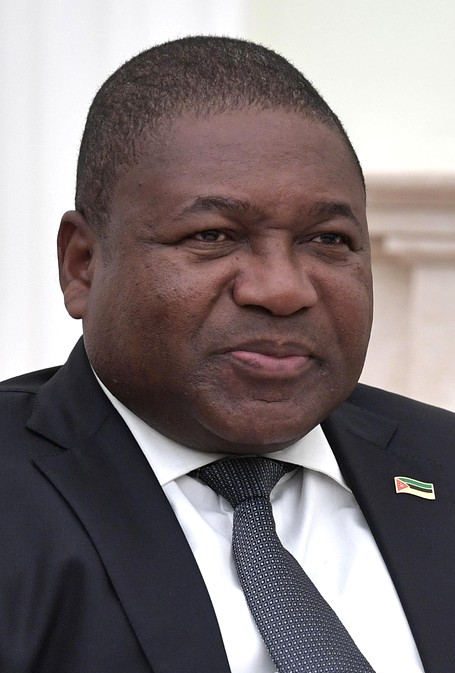
Frequently Asked Questions
Who is Filipe Nyusi?
Filipe Jacinto Nyusi is a Mozambican politician born on 9 February 1959 who occupied the presidency of Mozambique from 2015 to 2025. He is best remembered for steering the country through a decade defined by both diplomatic breakthroughs and deep political controversy.
What were Filipe Nyusi's main roles and positions?
He served as President of Mozambique for a full ten-year span, 2015 through 2025. He also held the chairmanship of the Southern African Development Community (SADC) from 2020 to 2022, which placed him at the helm of a major regional bloc.
What was Filipe Nyusi most known for during his presidency?
His tenure is most closely tied to brokering peace agreements with the RENAMO opposition party, yet it was equally shaped by persistent accusations of electoral manipulation and growing political violence. Critics further highlighted a rise in poverty throughout his years in office.
How did Filipe Nyusi's time as president conclude?
His term ran through 2025, a period that saw the landmark RENAMO peace deal alongside ongoing disputes over the integrity of elections. He ultimately stepped down in a political climate still marked by allegations of abuse of power.
Why does Filipe Nyusi matter in Mozambican and regional politics?
He represents a pivotal and deeply contested chapter in Mozambique's post-independence story, pairing a historic peace settlement with serious governance criticisms. His simultaneous role as national president and SADC chair also made him a central figure in Southern African diplomacy.
More in African Leaders 1-18
Spotted an error? Know more?
This is a living reference — every entry is fact-audited, and reader corrections feed straight into our audit queue. Suggest an edit · See this site's audit record