François Tombalbaye
First President of Chad, overthrown and assassinated in 1975.

via Wikipedia: François Tombalbaye · see source
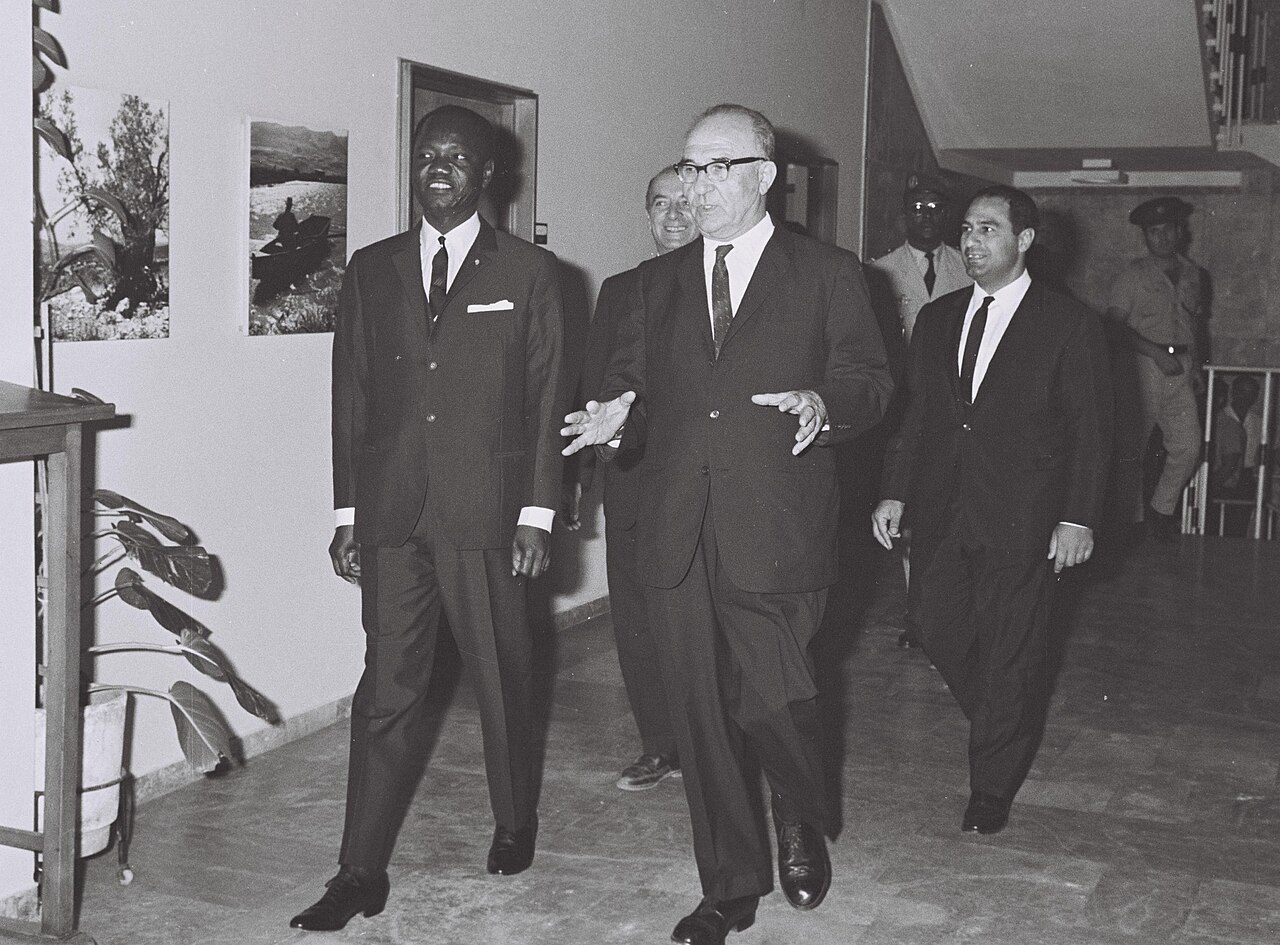
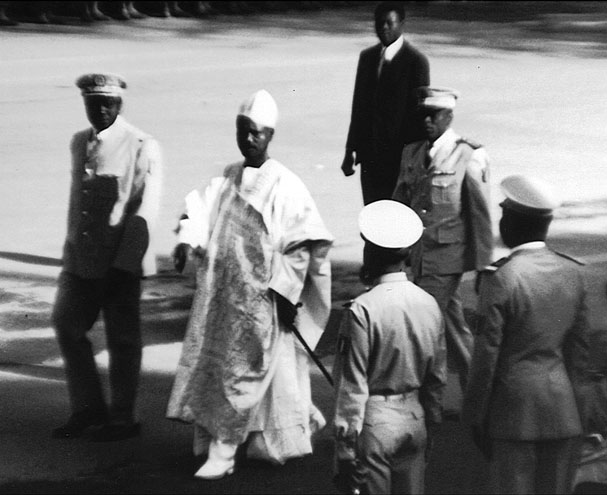
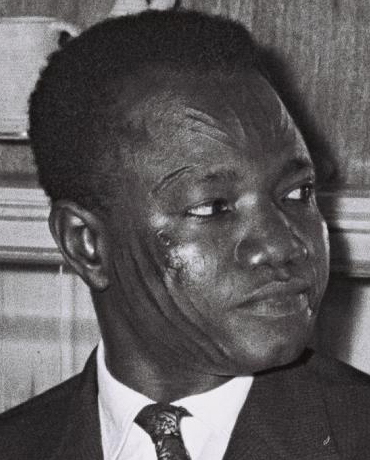
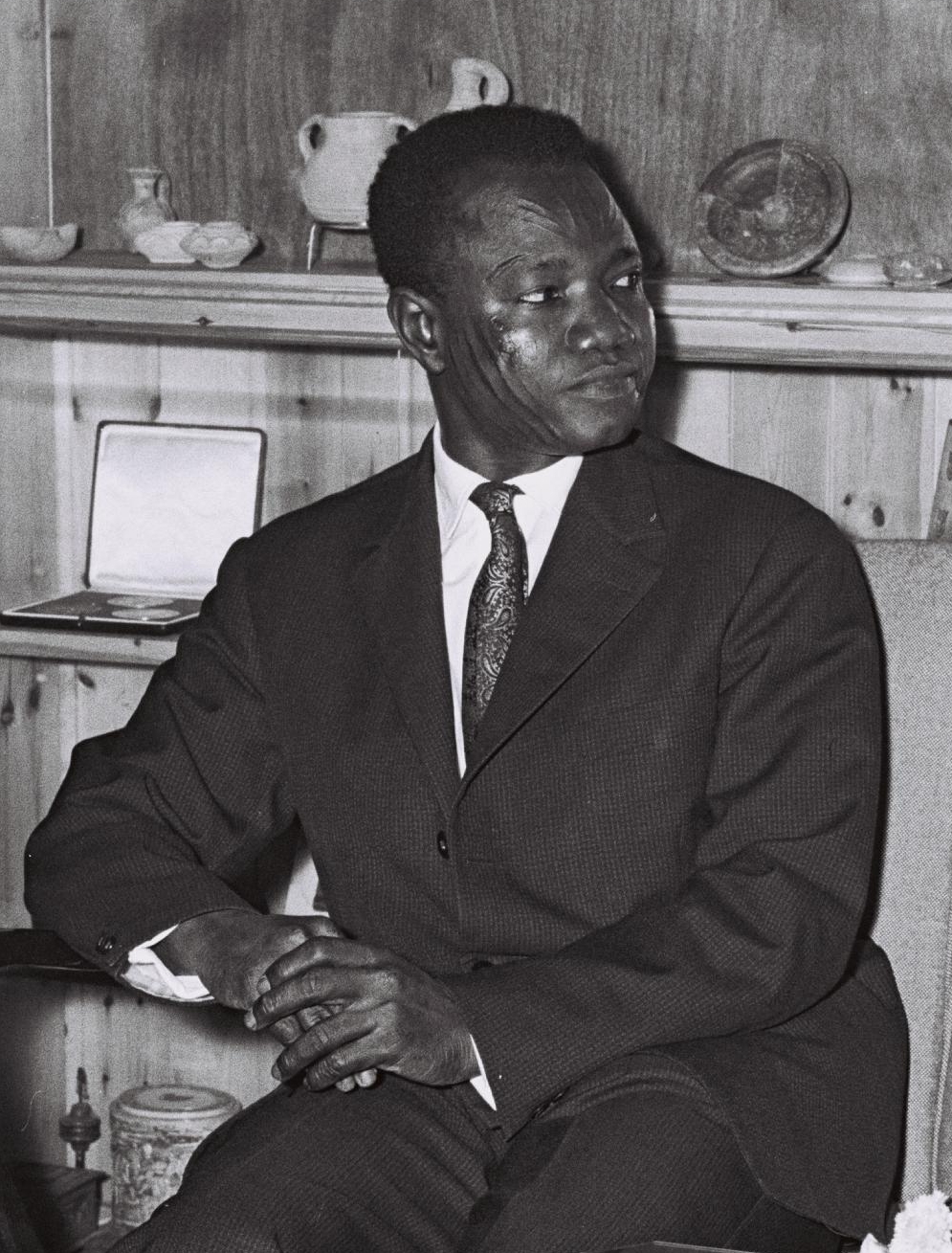
François Tombalbaye, also known as N'Garta Tombalbaye, was a Chadian politician who served as the first President of Chad from the country's independence in 1960 until his overthrow in 1975. A native of the south and a member of the Sara ethnic group, he began his career as a teacher during French colonial rule and joined the Chadian Progressive Party (PPT) in 1946. After serving in the colonial legislature in the 1950s, he succeeded Gabriel Lisette as the PPT's leader in 1959 and was appointed the country's first president upon gaining independence in 1960. In 1962, he declared the PPT the sole legal party and presided over a corrupt dictatorship characterized by extreme favoritism to his southern-based patronage network. His Africanization program worsened the divide between the Muslim north and the Christian and animist south, and in 1965 tax riots erupted into a civil war with northern FROLINAT rebels.
- born
- 15 June 1918
- died
- 13 April 1975
- field
- Politics
- nationality
- Chadian
- known_for
- First President of Chad; authoritarian rule; Africanization program; overthrown
Verified Timeline
Lore & Background
François Tombalbaye was born on 15 June 1918 in the village of Bessada, in the southern region of the French colony of Chad, close to the city of Koumra. His father was a prominent trader and he was of the Sara ethnic group. He attended a primary school run by Protestant missionaries in Sarh and secondary school in Brazzaville, studying to become an educator. During World War II, he fought for Free France against the Nazi-backed Vichy regime. In 1946/7, he formed a chapter of the Chadian Progressive Party (PPT) in Sarh and rallied members of his clan and other Sara speakers to the party. After a Muslim trader mocked the Sara people as mere beasts in November 1947, he helped direct violent protest in N'Djamena. In 1949, the French government revoked his teaching position as punishment for his political activism. A year later, he went on to direct the PPT newspaper, AEF Nouvelle, which was shut down the same year after French repression. In 1952, he won a seat in the colonial territorial assembly and was elected to French Equatorial Africa general council in 1957, where he served as vice-president. He succeeded Gabriel Lisette as head of the PPT in March 1959 after coming under pressure, heading Chad's colonial government from 1959. He ruled the country during its independence on 11 August 1960, and was appointed its first head of government.
Reader's Guide
Tombalbaye's presidency was marked by authoritarian rule and civil war. After independence, he adopted an autocratic form of government, banning all other political parties and dissolving the National Assembly in 1963 in response to rioting. He began nationalizing the civil service, replacing French administrators with less competent locals, and imposed a 'National Loan' with greatly increased taxes. In October 1968, he was a guest of President Lyndon B. Johnson in Washington, D.C., and later traveled to Texas to meet with research scientists at ICASALS at Texas Tech University. His Africanization program failed to account for the Muslim north and center, and on 1 November 1965, riots in Guéra Prefecture led to 500 deaths from protests against high taxes and corruption, sparking a civil war with the FROLINAT rebels. France intervened in 1969 on condition of reforms, and Tombalbaye agreed, releasing political prisoners and including more Gorane in his government. In August 1971, an attempted coup linked to Libyan leader Muammar al-Gaddafi was uncovered; Tombalbaye severed relations with Libya and allowed anti-Gaddafi forces to operate from Chad. By the end of 1972, over 1,000 political prisoners had been arrested. In 1973, he founded the National Movement for the Cultural and Social Revolution (MNRCS), changed his name to N'Garta Tombalbaye, and imposed yondo initiation rites—including floggings, burning with coals, scarification, and mock burials—on civil servants and military members. On 13 April 1975, after leading officers were arrested for involvement in an alleged coup, he was shot in his own palace and succumbed to his gunshot wounds. His body was secretly buried in Faya, and the military installed Félix Malloum as the new head of state.
Did You Know?
- Tombalbaye fought for Free France against the Nazi-backed Vichy regime during World War II.
- In 1968, he was a guest of President Lyndon B. Johnson in Washington, D.C., and later visited Texas Tech University's ICASALS.
- He changed his name to N'Garta Tombalbaye in 1973 as part of his authenticité program.
- The yondo initiation rites he imposed included floggings, burning with coals, scarification, and mock burials while wearing only loincloths.
- After his assassination on 13 April 1975, his body was secretly buried in Faya.
Gallery

Frequently Asked Questions
Who is François Tombalbaye?
François Tombalbaye, also called N'Garta Tombalbaye, was a Chadian politician born on 15 June 1918 who became the very first head of state after Chad gained independence in 1960. He held the presidency for fifteen years until a military coup ended his rule.
What was Tombalbaye's role and how did he govern?
As Chad's first president, Tombalbaye concentrated authority in his own hands and ruled with an authoritarian style that alienated multiple ethnic and regional factions. His governance was defined by political instability and the suppression of opposition, a pattern that shaped Chadian politics for decades afterward.
How does Tombalbaye's story end?
Tombalbaye was overthrown in a military coup on 13 April 1975 and was killed during the takeover. His assassination marked the abrupt end of fifteen years of dictatorial rule in Chad.
Why is Tombalbaye important in Chadian and African history?
He is significant as the first leader of independent Chad, and his divisive, authoritarian policies created factional conflicts that continue to influence the country's political landscape. His tenure set a pattern of instability that Chadian politics still grapples with today.
What was Tombalbaye's Africanization program?
The Africanization program was a policy initiative during his presidency aimed at replacing French colonial administrative structures with locally staffed institutions. It served both as a sovereignty assertion and as a tool for consolidating his personal grip on power.
More in African Leaders 1-18
Spotted an error? Know more?
This is a living reference — every entry is fact-audited, and reader corrections feed straight into our audit queue. Suggest an edit · See this site's audit record